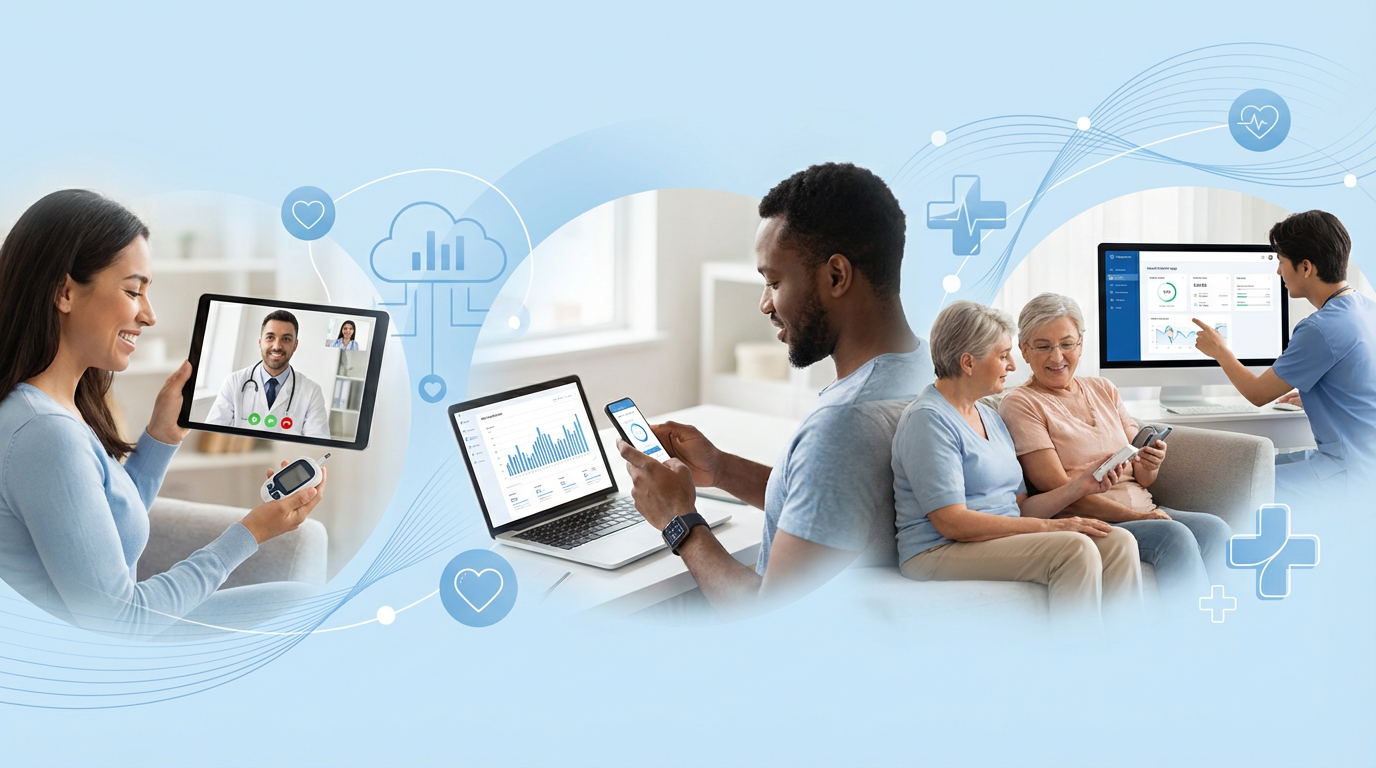
Managing diabetes is a journey that can feel overwhelming. But what if you could access quality care from the comfort of your own home? Telehealth for diabetes is making it possible, bringing virtual doctor visits and remote care right to your doorstep.
Key Takeaways:
- Telehealth removes barriers and improves access to diabetes care.
- Patients can share real-time glucose readings with healthcare teams.
- It’s especially effective for managing type 2 diabetes.
- Telehealth complements in-person care, providing a comprehensive approach.
Why Telehealth is Transforming Diabetes Care
Telehealth diabetes services are changing how we manage this widespread condition. With 589 million adults living with diabetes globally as of 2024, and numbers increasing, it’s vital to explore accessible care options.
Virtual care offers patients the chance to consult with healthcare providers without leaving home. This means fewer transportation issues, less time off work, and shorter wait times, which is crucial for those in remote areas with limited healthcare access.
Benefits of Telehealth: Convenient and Effective
One major advantage of telemedicine is real-time monitoring. Continuous glucose monitoring (CGM) systems sync with smartphones, allowing patients to share their glucose levels instantly with their doctors. This real-time data helps prevent complications like hypoglycemia and hyperglycemia.
Telemedicine isn’t just convenient; it’s clinically effective. Recent research shows telehealth leads to significant improvements in blood sugar, blood pressure, and even body mass index for people with type 2 diabetes. Patients often report feeling more at ease during virtual visits, improving communication and reducing stress compared to traditional in-person appointments.
Addressing Common Misconceptions
Some may wonder if telemedicine produces inferior outcomes compared to face-to-face visits. However, evidence suggests that when done correctly, telehealth can match or even surpass traditional care for specific diabetes management tasks.
- Telehealth is especially beneficial for type 2 diabetes but may require a hybrid approach for type 1 diabetes.
- Perfect data from home glucose meters isn’t required. Proper preparation and frequent check-ins can enhance effectiveness.
- Telehealth works best alongside in-person visits, creating a well-rounded care plan.
Trends and Future of Telehealth for Diabetes
In 2025, telehealth consultations are highly personalized and data-driven. Expanded insurance coverage has made these services more accessible, reducing healthcare costs for patients.
Technological advancements have made it possible to bridge care gaps, especially for people living in rural areas. However, adoption is uneven, with telemedicine usage higher in metropolitan areas.
The American Diabetes Association’s 2025 Standards of Care support the use of technology, such as continuous glucose monitors and updated guidelines for medication access. These innovations are helping people manage their diabetes more effectively.
Telehealth is transforming diabetes care by making it more accessible, convenient, and personalized. By incorporating both virtual and in-person visits, patients can achieve optimal outcomes.
If you’re navigating diabetes, consider exploring how telehealth could fit into your management plan. For more resources and guidance on diabetes care, visit DiabetesCareGuide.org.
This content is for educational purposes only and is not a substitute for professional medical advice. Always consult your healthcare provider before making changes to your diabetes management plan.