
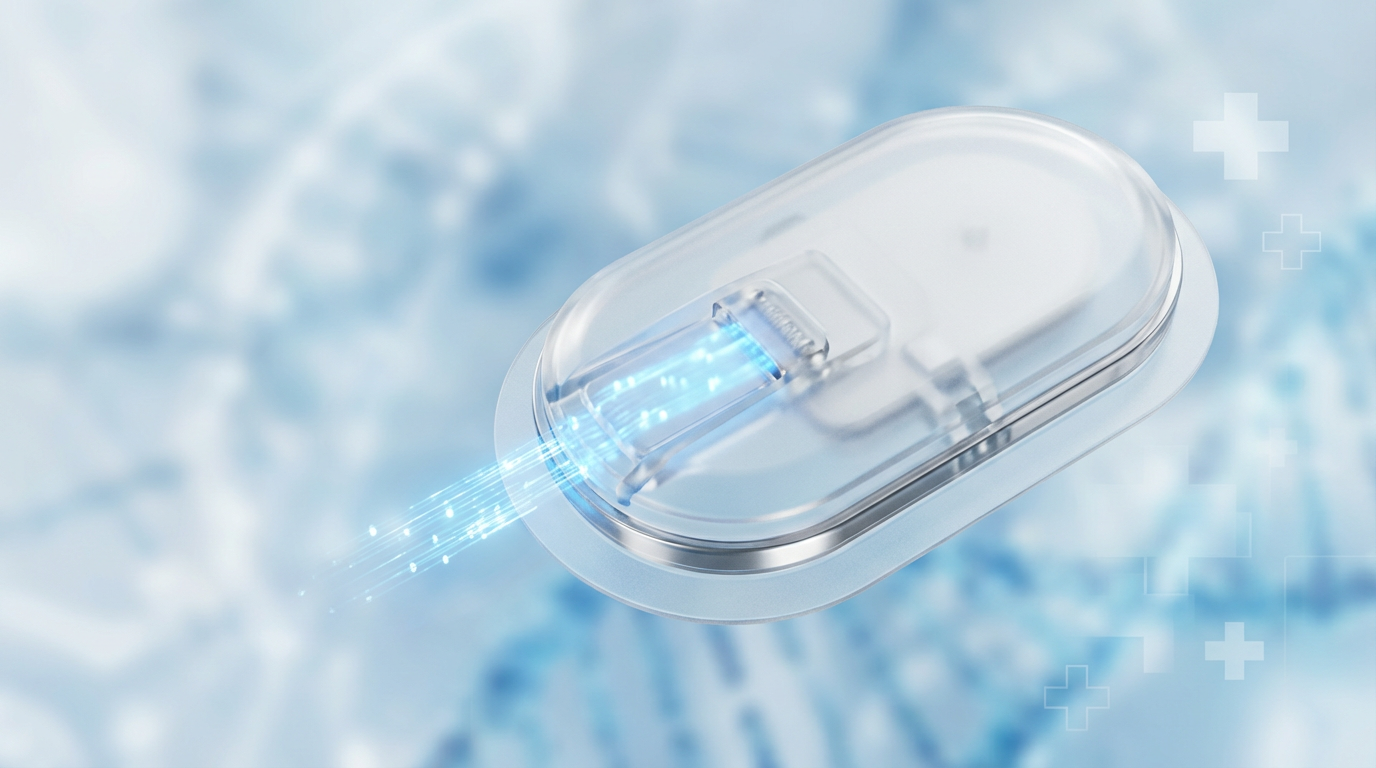
Living with diabetes can feel like a constant balancing act, as you navigate daily decisions about food, medication, and lifestyle. Imagine having a tool that can provide you with near real-time glucose data to make those decisions a bit easier. That’s where Continuous Glucose Monitors (CGMs) come in. These devices offer a modern approach to keeping track of your glucose levels, helping you manage diabetes more effectively.
Key Takeaways
- CGMs track glucose levels by measuring interstitial fluid, providing readings every 1 to 15 minutes.
- They offer alerts for high or low glucose levels, minimizing emergency situations.
- Used widely in type 1 and type 2 diabetes, CGMs are becoming more user-friendly.
- Continual innovations aim to improve convenience and accuracy for users.
How Do Continuous Glucose Monitors (CGMs) Work?
CGMs are elegant in their simplicity. They use a small sensor placed under the skin to measure glucose levels in the interstitial fluid. This fluid surrounds your body’s cells, offering a reliable gauge of glucose levels.
The sensor contains an enzyme that generates an electrical signal when it reacts with glucose. This signal is then transmitted wirelessly to a receiver, such as a smartphone app or a dedicated device.
These monitors provide readings every 1 to 15 minutes, offering a constant stream of data throughout the day and night. This means that you can understand how your glucose levels change during various activities, like sleeping or exercising.
Components and Functionality
A CGM system is composed of three main components:
- Sensor: Placed under the skin to measure glucose levels.
- Transmitter: Sends glucose data wirelessly.
- Receiver: Displays the data for you, often on a smartphone or a dedicated device.
Beyond just tracking, many CGMs offer customizable alerts if your glucose levels go too high or too low, aiding in preventing emergencies such as severe hypoglycemia.
Misconceptions about CGMs
Despite their benefits, there are some misconceptions about these devices:
- Blood Glucose vs. Interstitial Fluid: CGMs do not directly measure blood glucose. Instead, they measure glucose in the interstitial fluid, which can lead to a slight delay compared to fingerstick tests.
- Fingersticks Always Required: Modern CGMs often don’t require confirmatory fingerstick tests, even for insulin dosing.
- Only for Type 1 Diabetes: Initially favored for type 1 diabetes, CGMs are now highly recommended for insulin-treated type 2 diabetes as well.
- Bulky and Invasive: Advances have made these devices less invasive and more comfortable, with some sensors lasting up to three months.
Benefits and Innovations
The use of CGMs significantly improves diabetes management. Recent studies from 2024-2025 indicate enhanced glycemic control and quality of life. They are particularly beneficial in reducing episodes of hypoglycemia and hyperglycemia, thus minimizing risks and improving wellness.
Moreover, integration with insulin pumps allows for what is known as a hybrid closed-loop or “artificial pancreas” system, automating insulin delivery to optimize blood glucose levels.
Looking to the future, companies like BioRX are exploring non-invasive options like the BioXensor, which aims to read glucose levels without any insertion under the skin, although they are still awaiting regulatory approval.
Expert Recommendations
Leading organizations suggest CGM use for people with type 1 diabetes and those with type 2 diabetes who are on insulin therapy. This recommendation stems from the devices’ capacity to improve control and reduce hypoglycemia risk.
While real-time CGMs provide continuous updates, intermittent scan versions require scans to get readings. Real-time models are generally preferred for tighter glucose control.
Sharing CGM data with healthcare providers can be a powerful tool, allowing for better-informed adjustments to your diabetes management plan.
Recent Developments in CGM Technology
The landscape of CGM technology is rapidly evolving. Recent advancements include longer-lasting sensors, improved data connectivity, and better smartphone app integration, enhancing convenience and the opportunity for remote healthcare monitoring.
Hybrid closed-loop systems are also gaining traction, with proven success in improving glucose control for people with type 1 diabetes. These systems relieve some of the burdens of constant glucose monitoring and insulin management, offering a substantial boon to daily life.
In conclusion, CGMs stand as a vital tool in contemporary diabetes management, providing near real-time data that aids in maintaining optimal glucose levels. As technology evolves, these monitors will likely become even more user-friendly and effective, marking a new era in diabetes care.
For more information and resources about managing diabetes, explore the wealth of information available at DiabetesCareGuide.org.
This content is for educational purposes only and is not a substitute for professional medical advice. Always consult your healthcare provider before making changes to your diabetes management plan.